
From Legislation to Innovation: UAEU Explores the Future of Law in the Digital Economy
September 24, 2026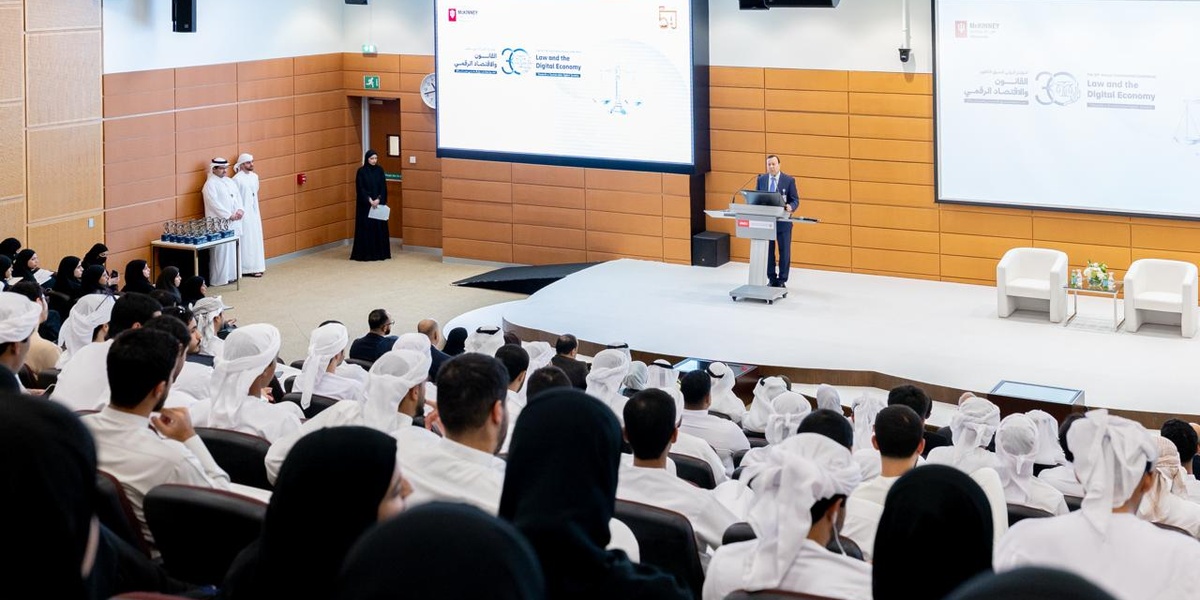
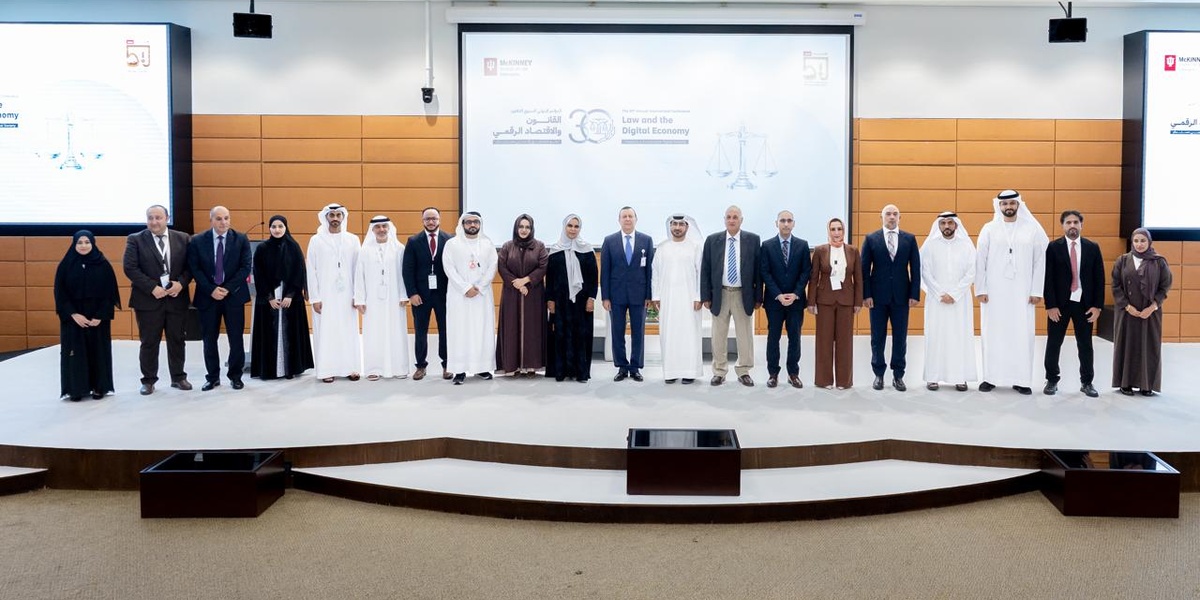
To mark its Golden Jubilee celebrations, the College of Law at United Arab Emirates University (UAEU) hosted its 30th Annual International Conference, titled "Law and the Digital Economy: Towards a Sustainable Digital Society." The event was organized in partnership with the Robert H. McKinney School of Law at Indiana University (USA) and held at the Crescent Building’s UAEU Library Auditorium.
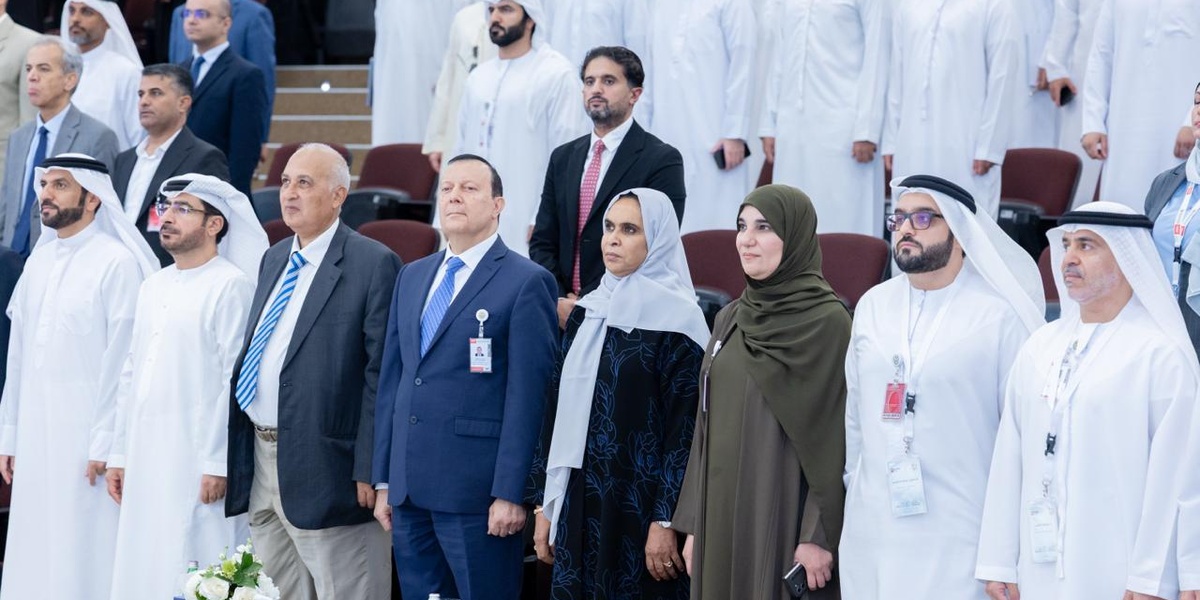
The conference brought together a distinguished group of experts, advisors, researchers, faculty members, and students. Key attendees included Prof. Mohsen Sherif, Deputy Vice Chancellor for Academic Affairs (Provost); Dr. Abdullah Ibrahim Al Darmaki, Deputy Secretary-General of the Arab Federation for Digital Economy; and Prof. Frank Emmert, Director of the Center for International and Comparative Law and Professor of Law at Indiana University’s Robert H. McKinney School of Law.
In his opening address, Prof. Mohsen Sherif highlighted how rapid shifts in the digital economy, especially across AI, digital finance, and big data are unlocking vast potential for growth and development. However, he noted that these advancements also bring distinct legal and regulatory hurdles that call for flexible frameworks. Such measures are vital to build trust, foster responsible innovation, and safeguard fundamental rights.
Prof. Mohsen Sherif underlined the pivotal role universities and scientific research play in anticipating these challenges and crafting forward-thinking solutions. He reaffirmed UAEU’s dedication to supporting research and innovation, cultivating local and international partnerships, and converting knowledge into real-world solutions that serve society and the economy—all while training a new generation of legal professionals equipped to navigate evolving legislative and technical landscapes.
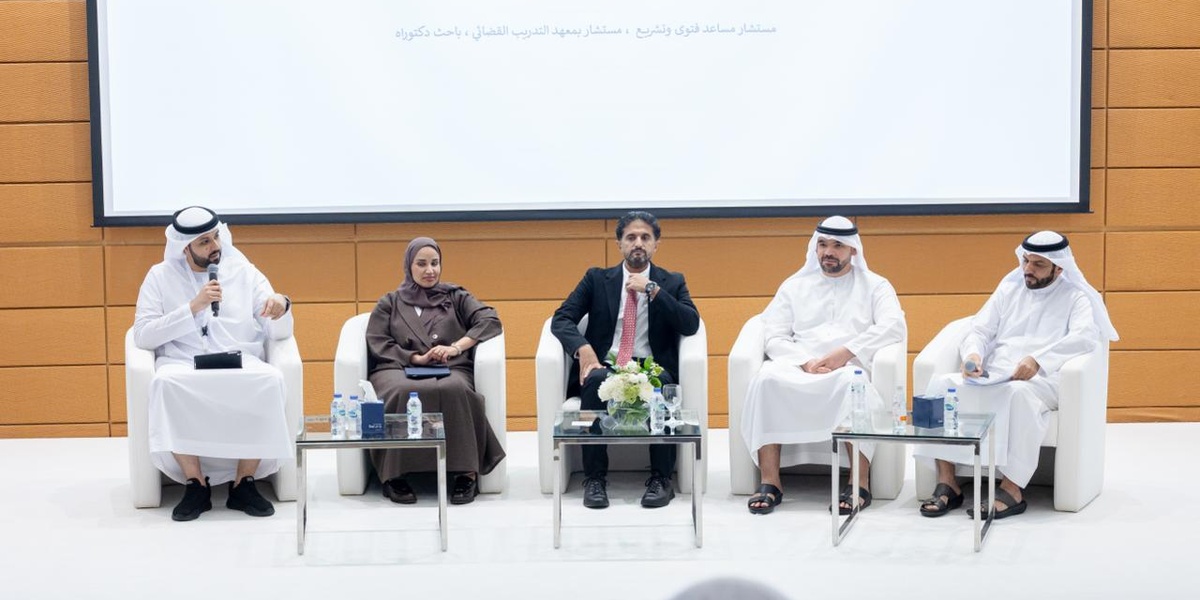
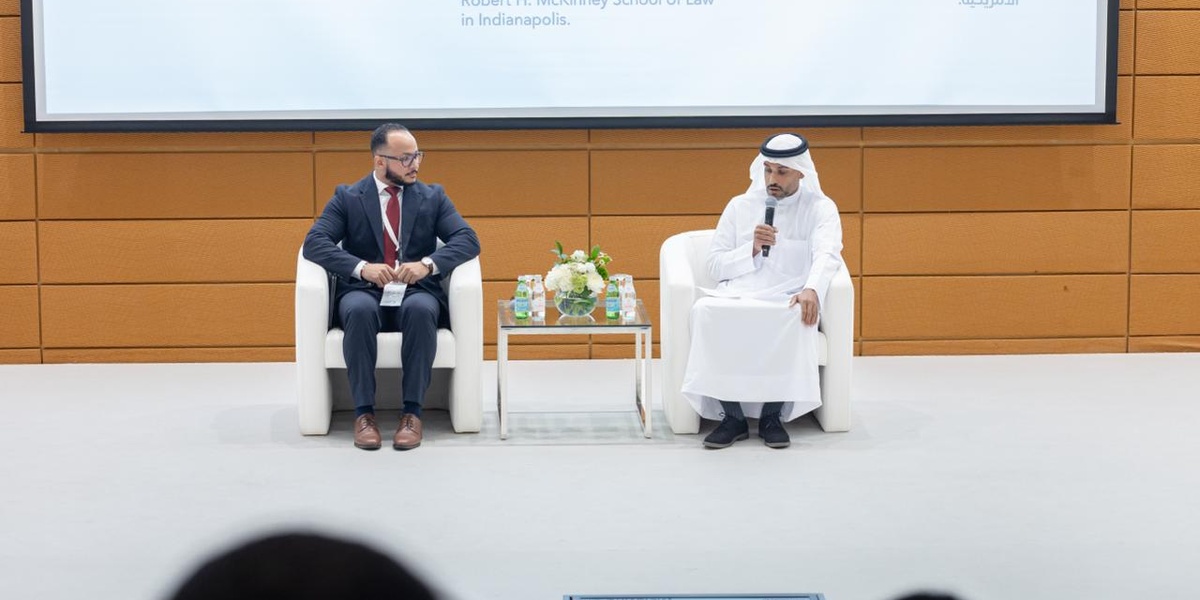
The first day's scientific sessions tackled critical themes shaping the digital economy, including digital currencies and the future of money, AI regulation, digital transformation in public procurement, and fintech and regulatory frameworks for digital banking. Discussions also probed the legal status of cryptocurrencies, the requirements for an inclusive digital economy, and the legal validity of automated decision-making in the era of agentic AI systems.
Day two shifted focus to digital trade, sustainability, and the Sustainable Development Goals (SDGs), along with the geopolitical factors influencing global digital commerce. Participants examined the legal dimensions of big data, the liability of digital platforms for illegal content, personal and digital data protection against breaches, and data governance, comparing the UAE’s pioneering approach with international trends.
Ultimately, the discussions stressed the urgency of staying ahead of fast-moving technological and legislative shifts by strengthening applied legal research and deepening international academic collaborations. The conference broadened the academic and legal dialogue on emerging trends, offering regulatory insights to champion responsible innovation, protect rights and data, and support the UAE’s vision for a competitive, sustainable digital economy.
Recent press releases
From Legislation to Innovation: UAEU Explores the Future of Law in the Digital Economy

UAEU Highlights Its Academic Legacy at the Abu Dhabi International Book Fair 2026

UAEU Ranks First in the Middle East and Africa in QS Global MBA Rankings 2027