

Plant Growth Promoting Endophytes Native to the UAE
Objectives
In this project subtheme, we are collecting a large number of plant growth-promoting bacteria (PGPR) from the roots of various native desert plants in the UAE. Utilizing complex cultivation methods and genetic comparisons with metagenomic root analyses, we aim to capture approximately 60% of species variability. The primary objective is to identify and isolate microbial strains capable of interacting with diverse plant species under stress conditions. These endophytes will be screened for their ability to enhance plant growth and stress tolerance in various crops. We will assess their potential to produce beneficial metabolites, such as phytohormones, enzymes, and antimicrobial compounds, which contribute to improved plant health and productivity. Additionally, we will explore the mechanisms by which PGPR confer stress tolerance to host plants, focusing on their role in modulating plant physiological and biochemical responses to abiotic stressors typical in desert environments. These microbes could enhance plant growth under challenging conditions, reduce reliance on chemical fertilizers and pesticides, and promote economic sustainability and environmental health. This research supports food security by improving agricultural productivity in arid regions with limited water and arable land. By lowering agricultural input costs and boosting crop yields in non-ideal conditions, the study contributes to economic resilience and sustainability for local farmers and agricultural sectors.
In this project subtheme, we are collecting a large number of plant growth-promoting bacteria (PGPR) from the roots of various native desert plants in the UAE. Utilizing complex cultivation methods and genetic comparisons with metagenomic root analyses, we aim to capture approximately 60% of species variability. The primary objective is to identify and isolate microbial strains capable of interacting with diverse plant species under stress conditions. These endophytes will be screened for their ability to enhance plant growth and stress tolerance in various crops. We will assess their potential to produce beneficial metabolites, such as phytohormones, enzymes, and antimicrobial compounds, which contribute to improved plant health and productivity. Additionally, we will explore the mechanisms by which PGPR confer stress tolerance to host plants, focusing on their role in modulating plant physiological and biochemical responses to abiotic stressors typical in desert environments. These microbes could enhance plant growth under challenging conditions, reduce reliance on chemical fertilizers and pesticides, and promote economic sustainability and environmental health. This research supports food security by improving agricultural productivity in arid regions with limited water and arable land. By lowering agricultural input costs and boosting crop yields in non-ideal conditions, the study contributes to economic resilience and sustainability for local farmers and agricultural sectors.
Group Member
- Prof. Khaled Masmoudi, Subtheme Lead / PI
- Dr. Sunil Mundra, Co-PI
- Dr. Shafeeq R. Abdulrahim, Post Doctoral Researcher
- Dr. Manzoor Ahmad, Post Doctoral Researcher
Desert plants can survive harsh conditions through their association with bacterial endophytes. However, little is known about the identity, functions, and factors that affect this association. We aim to do high throughput sequencing to discover the microbial communities associated with roots of the native plants and isolate and characterize microbes from native desert plants to test it on large variety of plants.
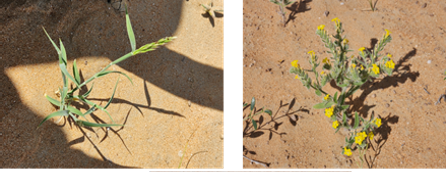
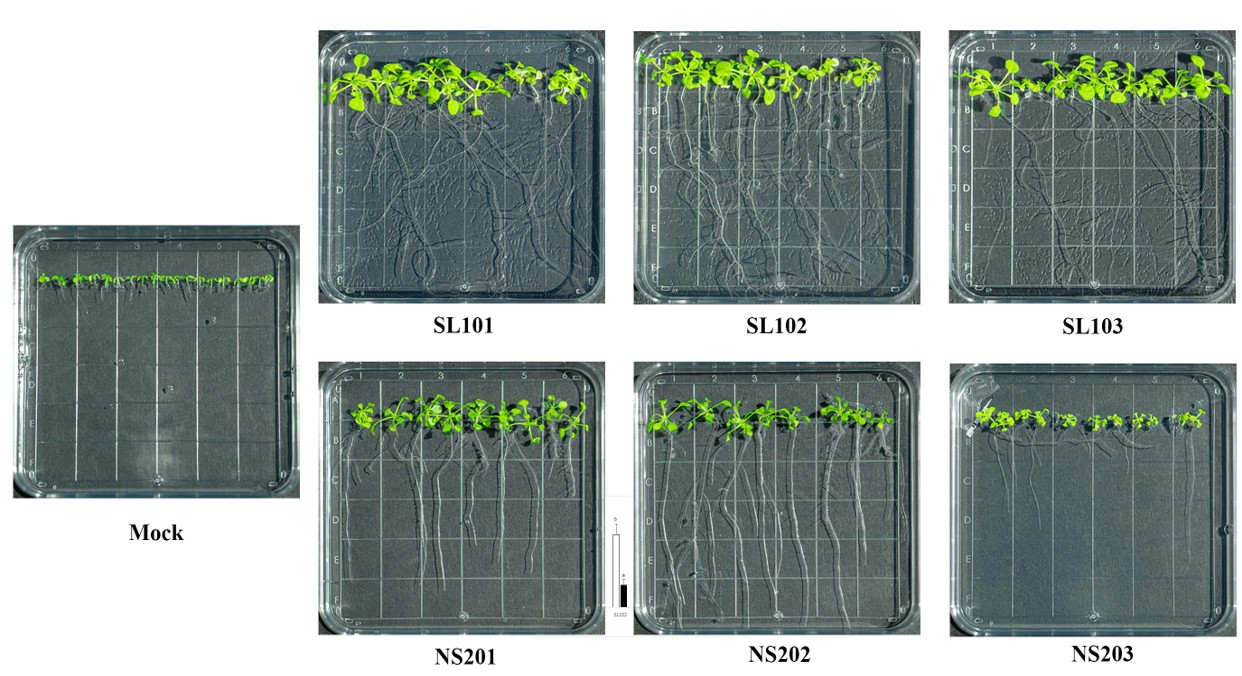
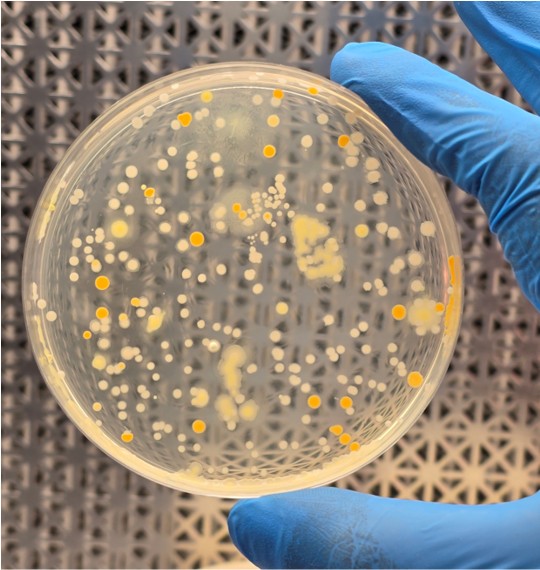
Isolation and characterization of PGPB from native plants
We collaborate with
-
The growth substrates group to develop carrier materials for our biofertilizers and test them on a variety of greenhouse plants.
-
The multi-purpose trees grou to test how inoculation with indigenous microorganisms could help native trees and shrubs to establish and thrive in urban and peri-urban environments.
Do you find this content helpful?
عفوا
لايوجد محتوى عربي لهذه الصفحة
عفوا
يوجد مشكلة في الصفحة التي تحاول الوصول إليها